+919819996745

DRVAIBHAVKASODEKARORTHOPEDICSURGEON https://www.drvaibhavkasodekarorthopaedicsurgeon.com
Preview

This is your website preview.

Currently it only shows your basic business info. Start adding relevant business details such as description, images and products or services to gain your customers attention by using Boost 360 android app / iOS App / web portal.

919819996745

Treatments

Dr. Vaibhav Kasodekar provides expert orthopaedic consultation at Bon and Joine Clinic, focusing on the diagnosis and treatment of bone, joint, and musculoskeletal conditions. He specializes in managing fractures, joint pain, arthritis, sports injuries, and mobility issues using modern medical techniques and patient-centered care. Patients receive thorough evaluation, clear guidance, and personalized treatment plans designed to restore movement and reduce pain. The clinic offers a comfortable environment with professional support for both surgical and non-surgical orthopaedic care. Dr. Kasodekar is dedicated to helping patients regain strength, improve joint function, and return to an active, healthy lifestyle

C 16 Crystal colony, Soonawala agiary marg, Mahim west, Mumbai, Maharashtra, India

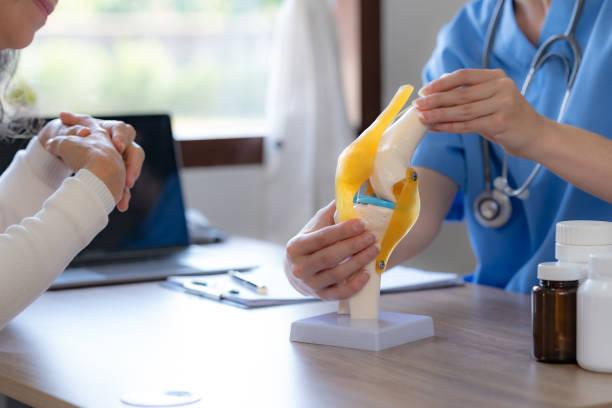
Knee replacement surgery (also known as knee arthroplasty) is a common and highly effective procedure used to relieve pain and improve function in individuals suffering from severe knee arthritis or damage to the knee joint. The goal of the surgery is to replace the damaged parts of the knee with artificial components (prosthetics) to restore movement, relieve pain, and improve the patient's quality of life.Why Knee Replacement Surgery is NeededKnee replacement surgery is typically recommended for people who have severe knee pain or disability that doesn't improve with non-surgical treatments such as medication, physical therapy, or lifestyle changes. Common conditions that can lead to the need for knee replacement include:1. OsteoarthritisThe most common cause for knee replacement surgery. Osteoarthritis occurs when the cartilage in the knee wears down, leading to bone-on-bone contact, pain, and stiffness.2. Rheumatoid ArthritisAn autoimmune condition that causes inflammation in the joints, leading to cartilage damage and knee pain.3. Post-Traumatic ArthritisArthritis that develops after a knee injury or fracture. Damage to the knee joint can lead to long-term degeneration.4. Knee DeformitiesConditions such as bowed legs (varus deformity) or knock knees (valgus deformity) may require knee replacement surgery to realign the joint.5. Knee FracturesSevere fractures of the knee that cannot be repaired with internal fixation or other treatments may also require knee replacement surgery.Types of Knee Replacement Surgery1. Total Knee Replacement (TKR)Total knee replacement is the most common type of knee surgery. It involves replacing the entire knee joint, including the femur (thigh bone), the tibia (shin bone), and the patella (kneecap).Procedure:The surgeon removes the damaged or worn-out portions of the femur, tibia, and sometimes the patella.These parts are replaced with artificial components made from materials such as metal, plastic, or ceramic.Indications: Severe arthritis, joint deformities, and joint damage that cannot be treated with less invasive methods.2. Partial Knee Replacement (PKR)A partial knee replacement is a less invasive surgery in which only the damaged portion of the knee joint is replaced. The rest of the knee joint is left intact.This is typically an option for people with unicompartmental osteoarthritis, where only one side of the knee (medial, lateral, or patellofemoral compartment) is affected.Procedure:The surgeon removes the damaged part of the joint and replaces it with a prosthetic component, while the healthy parts of the joint are preserved.Indications: Unicompartmental arthritis, where only one part of the knee is severely damaged.3. Bilateral Knee ReplacementBilateral knee replacement refers to the simultaneous or staged replacement of both knees. This may be an option for people who suffer from severe arthritis or damage in both knees.This can either be performed during one surgery (simultaneous) or in two separate surgeries, typically spaced months apart (staged).4. Complex or Revision Knee ReplacementRevision knee replacement is a second surgery to replace a knee prosthesis that has worn out, loosened, or failed after an initial knee replacement.This is often necessary if the artificial components become loose, infected, or if there is significant wear or fracture of the implant.The Knee Replacement ProcedureThe surgical procedure typically involves the following steps:Anesthesia:The surgery is usually performed under general anesthesia (where you are fully asleep) or regional anesthesia (such as a spinal block, where only the lower body is numbed).Incision:The surgeon makes an incision over the knee to access the joint. The size of the incision depends on whether it’s a total or partial knee replacement.Bone Preparation:The damaged surfaces of the femur, tibia, and possibly the patella are carefully removed.Prosthesis Insertion:Artificial components (prostheses) made of metal, plastic, and sometimes ceramic are inserted into the knee to replace the damaged bone surfaces. The new components are designed to mimic the natural motion of the knee.Closing the Incision:Once the prosthetic components are in place, the surgeon checks the knee for proper alignment and movement before closing the incision with sutures or staples.Postoperative Care:The patient is moved to a recovery room and monitored for any complications. Pain management, physical therapy, and proper care are essential for a successful recovery.Recovery After Knee Replacement Surgery1. Hospital StayAfter surgery, patients typically stay in the hospital for 1 to 4 days, depending on how well they are recovering.During this time, the medical team will monitor vital signs, pain levels, and ensure that there are no signs of complications (e.g., infection, blood clots).2. Physical TherapyPhysical therapy begins immediately after surgery to help restore strength, mobility, and range of motion to the knee. The focus will be on gradually increasing the knee's movement and flexibility.Exercises typically include bending and straightening the knee, walking with a walker or crutches, and strengthening surrounding muscles.Full rehabilitation may take 6 months to 1 year, depending on the individual’s health, the type of knee replacement, and adherence to physical therapy.3. Pain ManagementPain relief after knee replacement surgery typically involves a combination of medications (such as acetaminophen, NSAIDs, or stronger opioids if necessary) and ice or elevation to reduce swelling.Regional anesthesia or a nerve block can provide pain relief during the first few days after surgery.4. Activity RestrictionsEarly recovery involves avoiding excessive weight-bearing and high-impact activities that could stress the knee implant.After the initial healing period, patients are generally encouraged to walk, swim, and engage in low-impact exercises like cycling to help maintain joint function.5. Long-Term RecoveryFull recovery typically takes 6 to 12 months. During this period, it’s essential to follow your surgeon’s guidance on activity levels, pain management, and physical therapy to achieve the best outcome.While the knee will feel better and be more functional, patients should avoid high-impact activities like running or jumping that could wear out the artificial knee joint.Benefits of Knee Replacement SurgeryPain Relief:Knee replacement can eliminate or significantly reduce knee pain caused by arthritis, fractures, or deformities, allowing patients to return to daily activities.Improved Functionality:After recovery, many patients experience improved mobility, making activities such as walking, climbing stairs, and getting in and out of chairs easier.Enhanced Quality of Life:Many patients report a better quality of life after knee replacement surgery, including increased ability to participate in recreational activities, improved sleep, and better overall physical health.Potential Risks and Complications of Knee Replacement SurgeryAs with any surgery, knee replacement carries some risks, including:Infection:An infection at the surgical site or in the prosthesis.Blood Clots:The formation of blood clots in the legs (deep vein thrombosis) or lungs (pulmonary embolism) can be a serious complication.Implant Loosening or Failure:The artificial knee components may wear out or become loose over time, requiring revision surgery.Nerve or Blood Vessel Damage:Although rare, damage to surrounding nerves or blood vessels can occur during surgery.Stiffness or Reduced Range of Motion:Some patients may experience stiffness in the knee joint post-surgery, which can be addressed with therapy.ConclusionKnee replacement surgery can be life-changing for those suffering from severe knee pain and dysfunction due to arthritis, injury, or deformity. By replacing the damaged parts of the knee joint with prosthetic components, knee replacement surgery aims to restore mobility, alleviate pain, and improve quality of life. Whether you are undergoing a total knee replacement, partial knee replacement, or revision surgery, proper recovery and rehabilitation are crucial for the best outcomes.Would you like more information on a specific aspect of knee replacement, such as preparation, recovery, or post-surgery care? Let me know!

C 16 Crystal colony, Soonawala agiary marg, Mahim west, Mumbai, Maharashtra, India

Hip surgery is a common procedure performed to treat a variety of conditions that affect the hip joint, such as fractures, arthritis, and other musculoskeletal disorders. The hip joint is one of the largest weight-bearing joints in the body, and it plays a crucial role in allowing movement such as walking, running, and sitting. When hip pain or dysfunction significantly affects daily life, surgery may be necessary.Here's a breakdown of hip surgery, including the conditions that may require it, the types of surgeries available, and recovery details.Common Conditions Requiring Hip Surgery1. Osteoarthritis (OA)Osteoarthritis is a degenerative joint disease where the cartilage in the hip joint wears down over time, causing pain, stiffness, and loss of movement.OA is one of the most common reasons for hip replacement surgery in older adults.2. Hip FracturesA hip fracture is a break in the femur (thigh bone) near the hip joint. These fractures are common in older adults, particularly those with osteoporosis.A hip fracture can require surgical intervention to stabilize the bones and allow for proper healing.3. Avascular Necrosis (AVN)This condition occurs when the blood supply to the femoral head (the ball part of the hip joint) is compromised, leading to bone death and collapse.It may require hip joint replacement if the damage is severe.4. Labral TearsThe labrum is a cartilage ring around the hip joint that helps stabilize the joint. A tear in the labrum can cause pain, stiffness, and hip instability.Surgery may be required to repair or remove the damaged labrum.5. Hip DysplasiaA condition where the hip joint does not form properly, leading to instability and early arthritis. This may cause pain and difficulty moving the joint.In severe cases, hip replacement or osteotomy (realigning the joint) may be needed.6. Tendon and Ligament InjuriesTendon injuries around the hip, such as in the iliopsoas tendon or gluteal tendons, may require surgical repair if non-surgical treatments fail.Types of Hip Surgery1. Hip Replacement Surgery (Total Hip Arthroplasty - THA)Total Hip Replacement (THR) is one of the most common types of hip surgery and is typically performed for patients with severe osteoarthritis or hip fractures. This procedure involves removing the damaged or worn-out parts of the hip joint (the femoral head and acetabulum) and replacing them with artificial components made of metal, ceramic, or plastic.Procedure:The surgeon makes an incision over the hip and removes the damaged femoral head.A metal stem is inserted into the femur, and the head of the femur is replaced with a ball-shaped prosthesis.A plastic or ceramic liner is placed in the acetabulum to form the new socket.Indications: Severe arthritis, hip fractures, avascular necrosis, or damage to the hip joint that limits function.Recovery:Patients typically stay in the hospital for 2-4 days.Rehabilitation begins soon after surgery to restore strength, mobility, and flexibility.Full recovery can take 6-12 months, with most patients able to return to normal activities after 3-6 months.2. Hip ResurfacingHip resurfacing is a less invasive alternative to total hip replacement, usually performed in younger, active patients with hip arthritis. Instead of removing the femoral head, the surgeon reshapes it and places a metal cap over it, while the acetabulum is resurfaced with a metal liner.Indications: Suitable for younger, more active individuals with arthritis or other hip joint issues.Benefits: Preserves more of the natural bone, allowing for a greater range of motion.Recovery: Similar to total hip replacement but typically faster due to less bone removal.3. Hip ArthroscopyHip arthroscopy is a minimally invasive surgery used to treat conditions such as labral tears, hip impingement, and loose bodies in the hip joint. Small incisions are made, and a tiny camera (arthroscope) is inserted into the joint to guide the surgery.Indications: Labral tears, impingement, tendonitis, or synovitis.Benefits: Shorter recovery time, minimal scarring, and less tissue disruption compared to open surgery.Recovery: Most people can return to light activities within 4-6 weeks, but it may take up to 6 months for full recovery and rehabilitation, depending on the condition treated.4. OsteotomyHip osteotomy is a procedure where the surgeon cuts and repositions the bones of the hip to improve alignment and relieve pressure on the joint. This is often done for hip dysplasia or to delay the need for hip replacement in younger patients with arthritis.Indications: Hip dysplasia, avascular necrosis in early stages, or to improve the joint’s biomechanics.Recovery: Recovery can take longer than hip replacement surgery, often requiring 3-6 months for full recovery, depending on the procedure’s complexity.5. Hip Fracture SurgeryHip fracture surgery is performed to stabilize a broken hip and allow for healing. It may involve:Internal fixation: The use of screws, plates, or rods to stabilize the fracture.Partial hip replacement: Replacing only the femoral head while leaving the acetabulum intact.Total hip replacement: If the fracture is severe or the hip joint is significantly damaged.Indications: Fractures of the femoral neck, intertrochanteric fractures, or displaced fractures.Recovery: Post-surgery rehabilitation begins immediately to restore mobility, and full recovery can take several months.6. Hip Labral RepairIf the labrum (the cartilage that cushions and stabilizes the hip joint) is torn, it can lead to pain and instability. A hip labral repair involves reattaching or repairing the torn labrum through arthroscopic surgery.Indications: Labral tears often caused by trauma, hip impingement, or arthritis.Recovery: Recovery takes around 3-6 months, and physical therapy is crucial to restore range of motion and strength.Postoperative Care and RecoveryRecovery from hip surgery will depend on the specific procedure, but some common elements include:Pain Management:Pain medications (e.g., acetaminophen, NSAIDs, or opioids for severe pain) will be prescribed initially.Ice and elevation may help manage swelling.Physical Therapy:Physical therapy is essential for restoring strength, flexibility, and mobility after hip surgery.For total hip replacement, therapy will focus on regaining range of motion and strength in the hip joint.For hip arthroscopy or labral repair, therapy is often less intense but still necessary to restore joint function.Walking Aids:Patients typically use crutches, a walker, or a cane for several weeks to avoid putting full weight on the hip as it heals.Weight-Bearing:After surgery, weight-bearing restrictions are common, especially after a hip replacement. Your surgeon will guide you on when and how you can gradually return to full weight-bearing.Follow-up Appointments:Regular follow-up appointments will be scheduled to monitor healing, check for complications like infections or blood clots, and assess progress in physical therapy.Risks and Complications of Hip SurgeryAs with any major surgery, there are potential risks and complications:Infection at the surgical siteBlood clots (deep vein thrombosis or pulmonary embolism)Dislocation of the hip joint (more common after hip replacement)Nerve damage or injuryWear and tear of artificial joint components (in cases of joint replacement)Fractures or other complications from the surgery

C 16 Crystal colony, Soonawala agiary marg, Mahim west, Mumbai, Maharashtra, India

Meet Our Doctor

Dr VAIBHAV KASODEKAR -ORTHOPAEDIC SURGEON

Dr VAIBHAV KASODEKAR -ORTHOPAEDIC SURGEON

C 16 Crystal colony, Soonawala agiary marg, Mahim west, Mumbai, Maharashtra, India
Specializes in:Consulting Orthopaedic Surgeon- Bone ,Joint,Knee & Hip Surgeon
Experience:15 Years
Education:M.S(Ortho), DNB(Ortho), FCPS, D.Ortho
Mobile:+91-9819996745
Memberships:Fellowship in joint replacement and arthroscopy surgery (North America, Singapore)
Registration No:11

Testimonials

One of the best ortho doctor and a surgeon . Highly transparent genuine and good human. His clinic is well equipped . Highly recommend.

Highly transparent genuine and good human

Took Dr Vaibhav’s treatment for my frozen shoulder. Perfect diagnosis and treatment. Very good manners and gentle Doctor.

Took Dr Vaibhav’s treatment for my frozen shoulder. Perfect diagnosis and treatment.

Latest Update

Herniated Disc Surgery in Dadar | Effective Relief for Back Pain

It's Done!!

Your appointment is confirmed

Doctor Name:

Date & Time:

Contact:

Address: C 16 Crystal colony, Soonawala agiary marg, Mahim west, Mumbai, Maharashtra, India

Appointment details has also been shared with you on your mobile number . Please arrive atleast ten minnutes ahead of the scheduled time.

treatments